
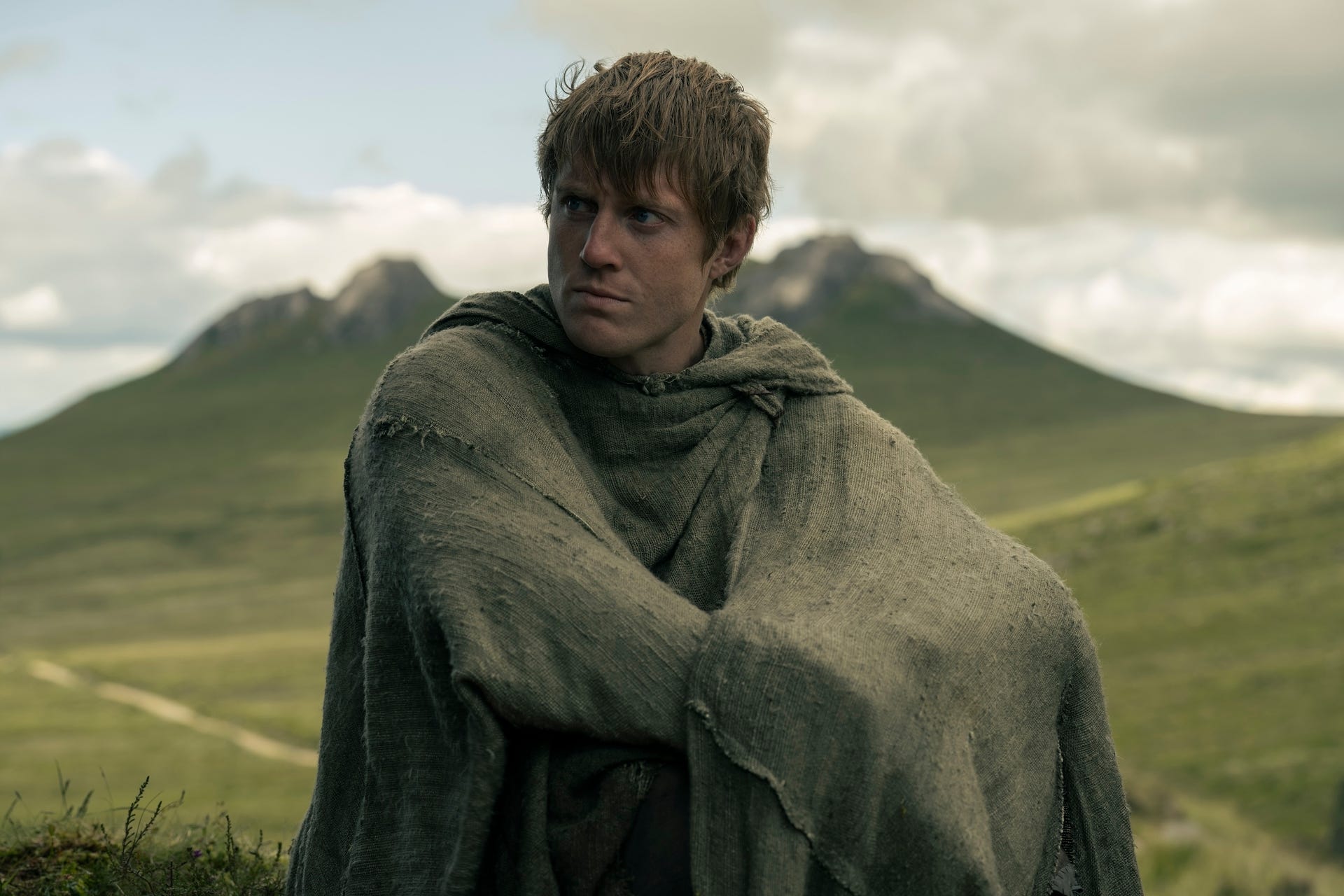
Sunday’s finale of A Knight of the Seven Kingdoms cemented two things all fans should take away from this brilliant adaptation of George R.R. Martin’s story:
We may never know for certain if Ser Arlan bestowed knighthood upon squire Duncan.
That unknowable internal truth of Dunk’s past doesn’t matter, because he is upholding the sacred commands given to every knight in Westeros.
The TV show has taken the practice of knighthood values being passed from generation to generation, and emphasized how that tradition in Westeros’ patriarchal society runs parallel to fathers raising their sons. Without a doubt, Ser Duncan the Tall is the best example of a goodhearted father-figure that could be called a Game of Thrones protagonist. Showrunner Ira Parker and the writing-direction teams used invented flashbacks to drive this point home, most notably in the finale when Dunk recalls asking Ser Arlan why he wasn’t officially knighted.
To prove why Ser Duncan is the most faithful version of a knight Martin has written into his fictional history books, I’ll start by examining Dunk’s moral compass within the context of Game of Thrones and other iconic characters. Then I’ll compare how Dunk’s knighting (or lack thereof) is written in the books versus the show’s version of events. And last, I’ll outline how the ambiguity in this finale’s flashback scene drive home the moral of the story being told — that it is a person’s actions, not a flowery set of words, that make a true knight.
Let’s dive in.
Dunk stands out in George R.R. Martin’s stories as a truly chivalrous character who survives the brutal odds of Westeros
Ned Stark, the next-best-father-in-Westeros Martin has created, was taken from us in a deliberately traumatizing fashion. Ned’s desire to protect children like bastard-born Joffrey and Myrcella and Tommen Lannister was at the heart of his death. And every other major father character in Martin’s stories — King Robert Baratheon, Tywin and Jaime Lannister, Balon Greyjoy, Viserys and Daemon Targaryen (whose father-child relationships are defined by their neglect) — effectively operate as villains.
But Martin didn’t write Ser Duncan the Tall as a literal father doomed by his own goodness. Instead he gets to survive the first book (and therefore this whole first six-episode season) as a metaphorical father who acts as a caregiver for Egg, and nearly every other young and innocent creature he encounters.
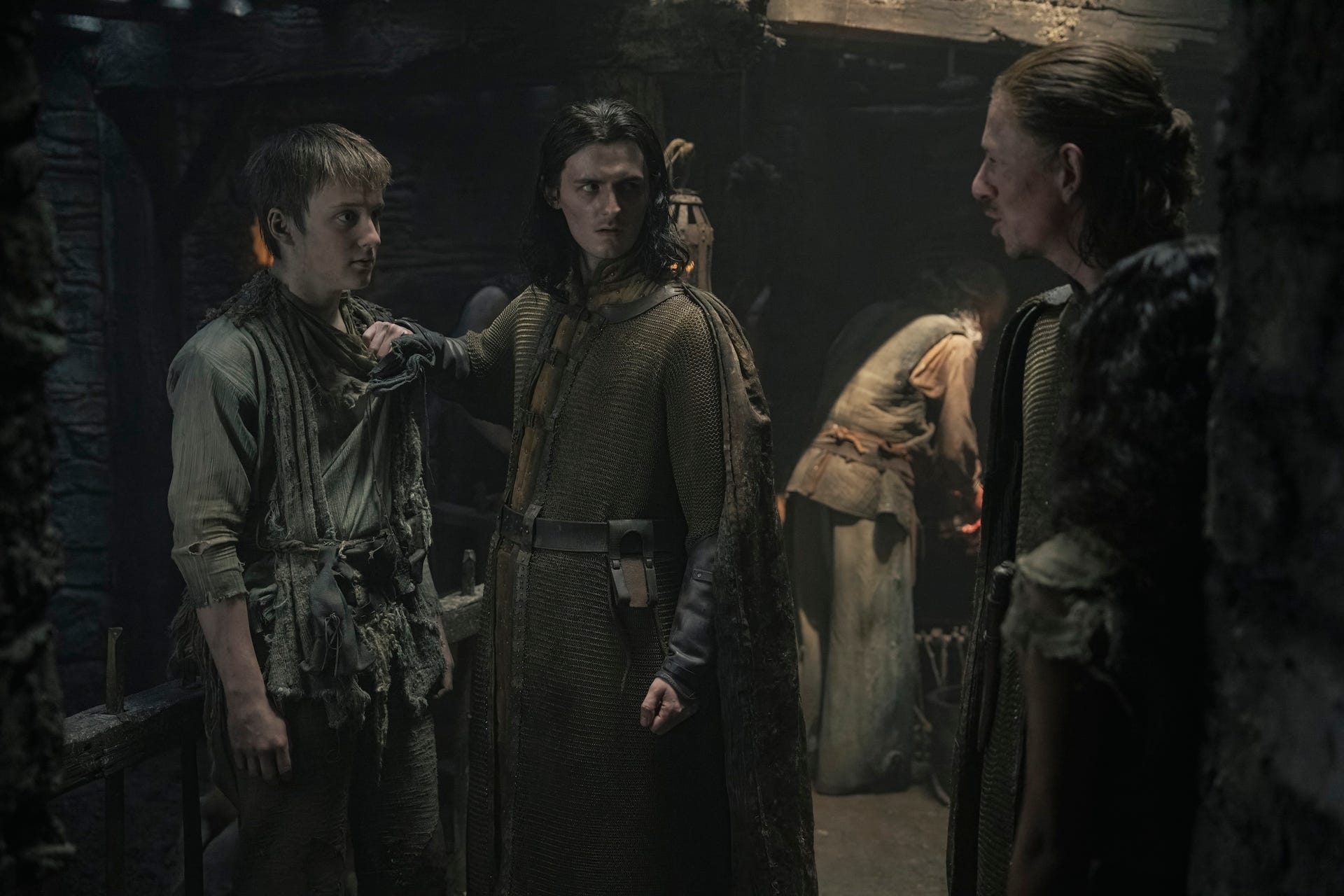
As I already outlined after last episode’s climactic trial, Ser Duncan and Ser Arlan worship the Mother goddess above all else. What the finale episode makes clear is that Dunk will be best father-figure possible to his young squire Egg, despite a complicated history to the norms of Westeros. Dunk is humble, fair, strong, and kind. His naivete brushes him up against the most dangerous aspects of life, like Ned in A Game of Thrones, but in this story Martin doesn’t make that innocence a guarunteed death sentence. Instead he rewards Dunk, and we feel a healing sigh of relief even among the bittersweet tragedy.
Dunk is the rare comet from the lowborn ranks who managed to go from orphan to squire under completely random circumstances and through the sheer grit.
The question of whether Dunk was ever really knighted by Ser Arlan is present in the book, but has been greatly embellished in the show via flashbacks
Martin’s story, all told from Dunk’s point of view, deliberately never dwells on a specific memory of a knighting ceremony happening on Ser Arlan’s deathbed. Dunk does, however, have introspective thoughts that lead the reader to infer that he was still just a squire when the old knight died.
The biggest of these comes when Dunk thinks about a “monstrous lie” he has told to survive Westeros up to this point. He’s finally realized Egg is really Prince Aegon Targaryen, and decides not to hold the boy’s lie-by-omission against him. That forgiveness seems present because Dunk feels commonality with a neglected kid interested in being a squire, regardless of the kid’s heritage as lowborn, highborn, or “the blood of the dragon.”
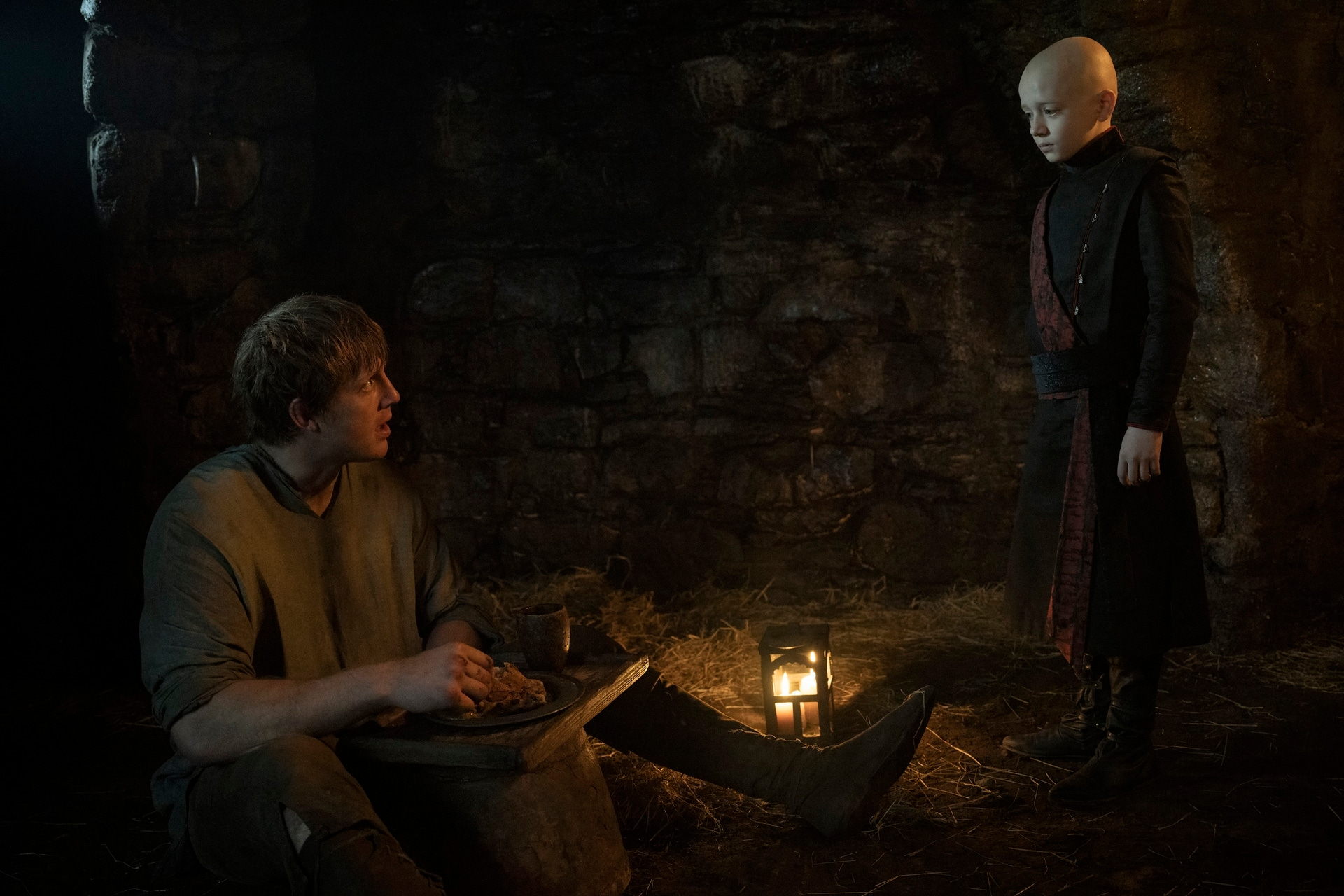
The consensus among most analyzers is that Martin left any clear evidence of Dunk’s claimed knighthood off of the page because “The Hedge Knight” and other novellas about Ser Duncan the Tall are deliberately engaging with the subject of hypocrisy among knights and noblemen.
Many of the men in this story who are most equipped to provide protection and care for the innocent people of Westeros turn away from that responsibility, or outright abuse it (e.g. Ser Steffon Fossoway or Prince Aerion Targaryen). But Dunk is constantly orienting his words and actions towards taking gentle care of the young and innocent — and putting his literal life on the line when the time calls for it, too.
A Knight of the Seven Kingdoms showrunner Ira Parker has consistently brought in clever new details to Dunk’s story that were hinting at the unlikelihood Ser Arlan had ever formally knighted his squire. The first of these clues was the opening line of dialogue we heard from Dunk in the pilot.
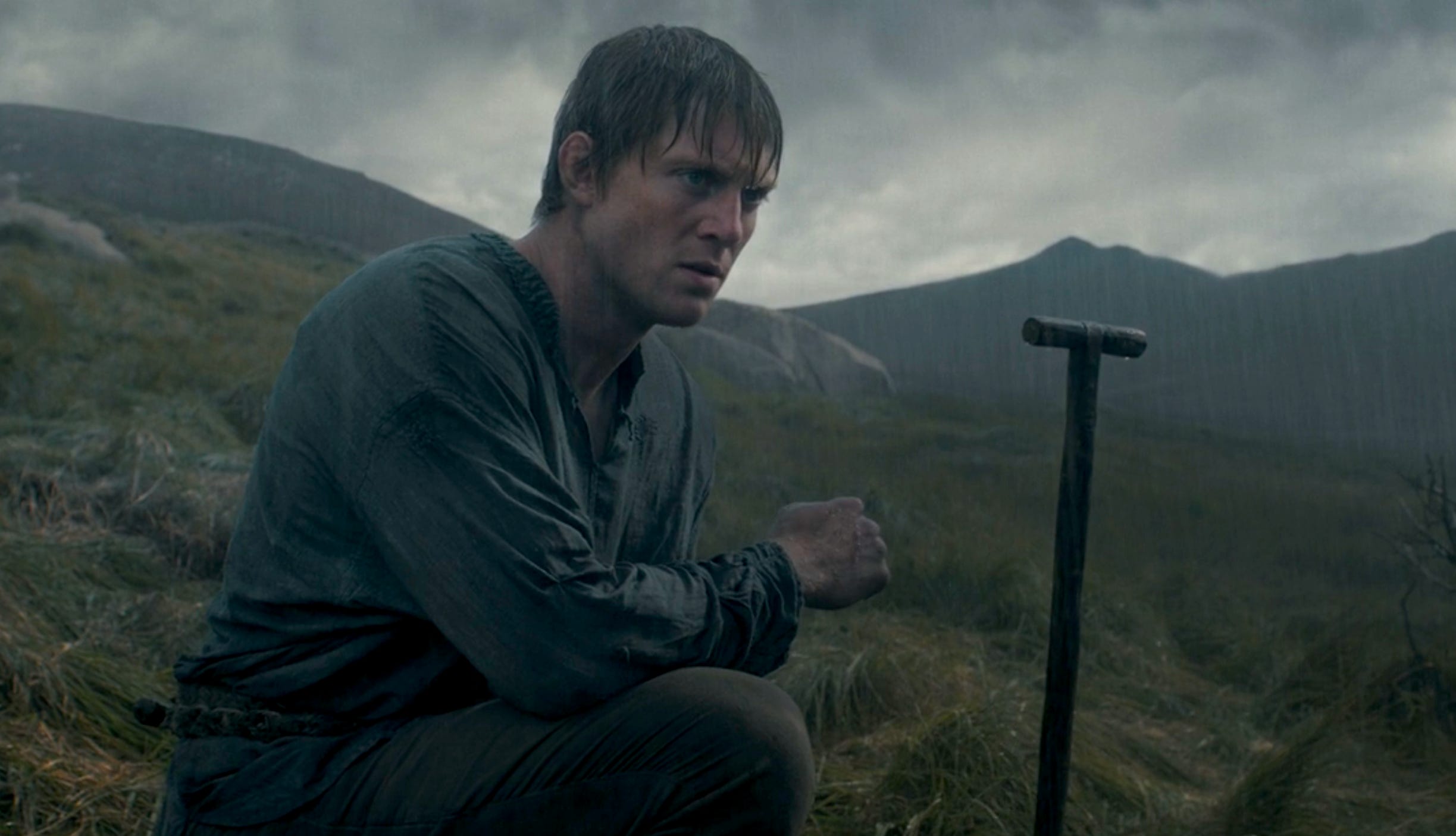
In the show, Dunk was kneeling just he would if he were being knighted, and said to Ser Arlan’s dead body: “I don’t know the right words — ought to be a septon here.”
In Martin’s story, the first time Dunk speaks out loud is when he apologetically tells his dead father-figure that he’s going to take Ser Arlan’s longsword for himself. The scene unfolds in the book like this:
He laid him out in the bottom of the grave, and stood over him for a time. The smell of rain was in the air again, and he knew he ought to fill the hole before it broke, but it was hard to throw dirt down on that tired old face. There ought to be a septon here, to say some prayers over him, but he only has me. The old man had taught Dunk all he knew of swords and shields and lances, but had never been much good at teaching him words.
“I’d leave your sword, but it would rust in the ground,” he said at last, apologetic. “The gods will give you a new one, I guess. I wish you didn’t die, ser.”
Parker’s change set a whole new tone for the show to begin revealing how Dunk was never knighted, and yet acts with honor and chivalry even in his toughest moments.
His hero’s journey is him taking the steps towards truly earning the title of knight, even if it means lying to get his foot in the door. He doesn’t know the right words to honor Ser Arlan, just as he doesn’t know the right words for a knighting ceremony — because a full knighting ceremony was never given to him.
The added septon detail came up again in the pilot when Dunk goes to the master of the games (Plummer) and asks to enter the joust. Here’s how Dunk first claims his knighthood status:
“I was squire to Ser Arlan of Pennytree since I was five or six. This is his shield. He was coming to the tourney but he caught a chill and died, so I came in his stead. He knighted me before he passed, with his own sword [...] He always said he meant for me to be a knight, as he was. When he was dying his called for his longsword and bade me kneel. He touched me once on my right shoulder and once on my left, and said some words, and when I got up he said I was a knight.”
Plummer responds: “Hmpf. Any knight can make a knight, it is true, though it is more customary to stand a vigil and be anointed by a septon before taking your vows. Were there any witnesses to your dubbing?”
Dunk says a robin in a tree was the only witness, and then gets a bit more specific with his tale of the ceremony: “He charged me to be a good knight and true, to obey the seven gods, defend the weak and innocent, serve my lord faithfully, and defend the realm with all my might, and I swore that I would.”
In the show’s version of this scene, Plummer didn’t remind Dunk (and therefore the audience) that a septon is traditionally present for a proper knighting. And Dunk doesn’t mention the specific detail of Ser Arlan catching a chill and being on his deathbed when he performed the knighting ceremony.
All Dunk says in the show: “I was squire to Ser Arlan of Pennytree since I was a boy. He knighted me before he passed, with his own sword. That’s his penny there in the hilt. He always meant for me to be a knight one day... as he was.”
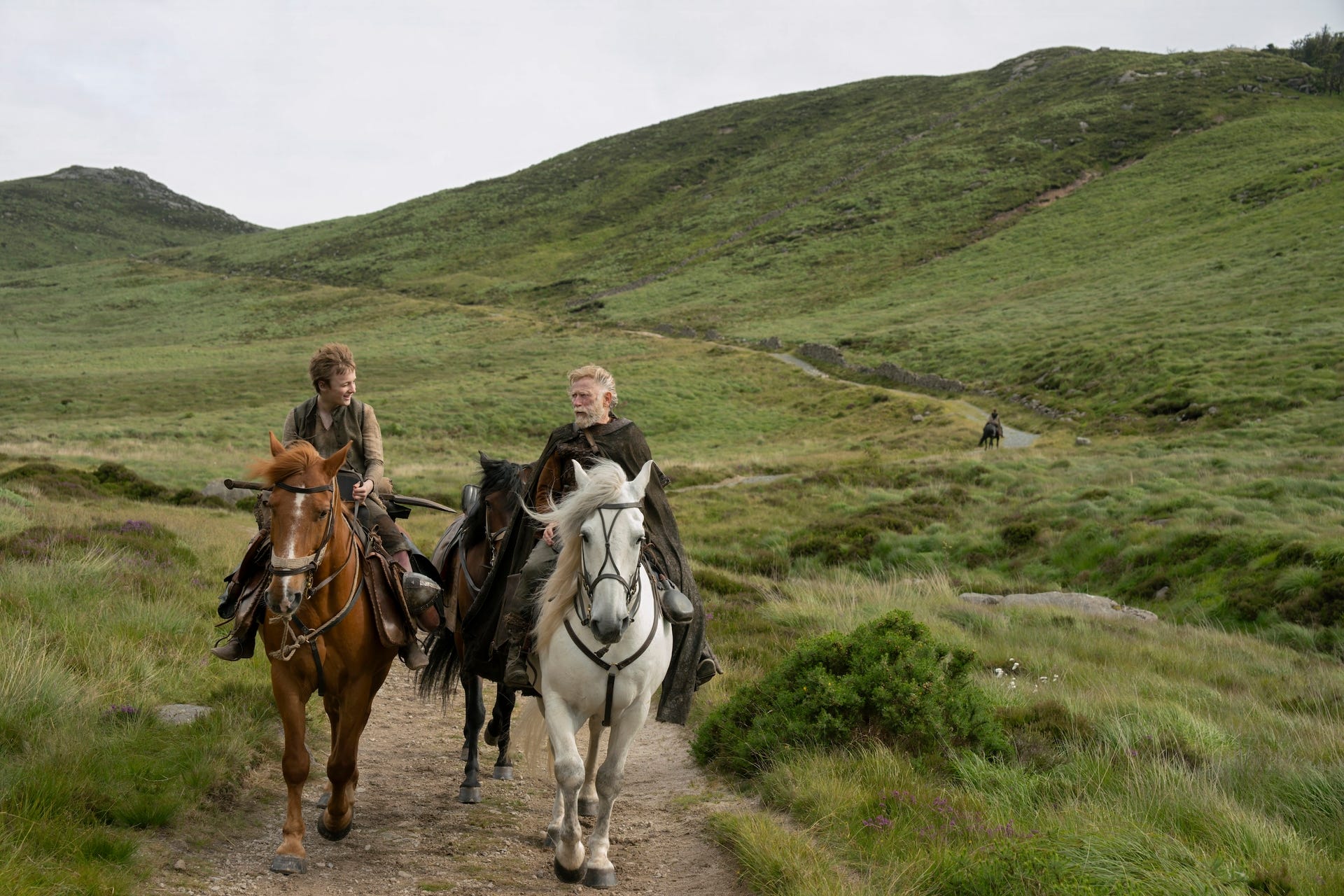
But then of course Parker inserted a new flashback, showing Young Dunk asking Ser Arland: “Am I to be a knight one day, ser, as you are?”
(The old man merely spat in reply).
After this flash of memory, show-Dunk says: “When he was dying, he called for his longsword and bade me kneel. Charged me to be a good knight. To defend the weak and the innocent. Serve the realm with all my might. And I swore that I would.”
Plummer spits his own massive loogie into a bowl in reply, and launches in a faux-threat about what happens to men who “pretend at sacred oaths” before assuring Dunk that all he needs is enough money and for another knight in good standing to vouch for him, and then he can carry forward as Ser Duncan the Tall.
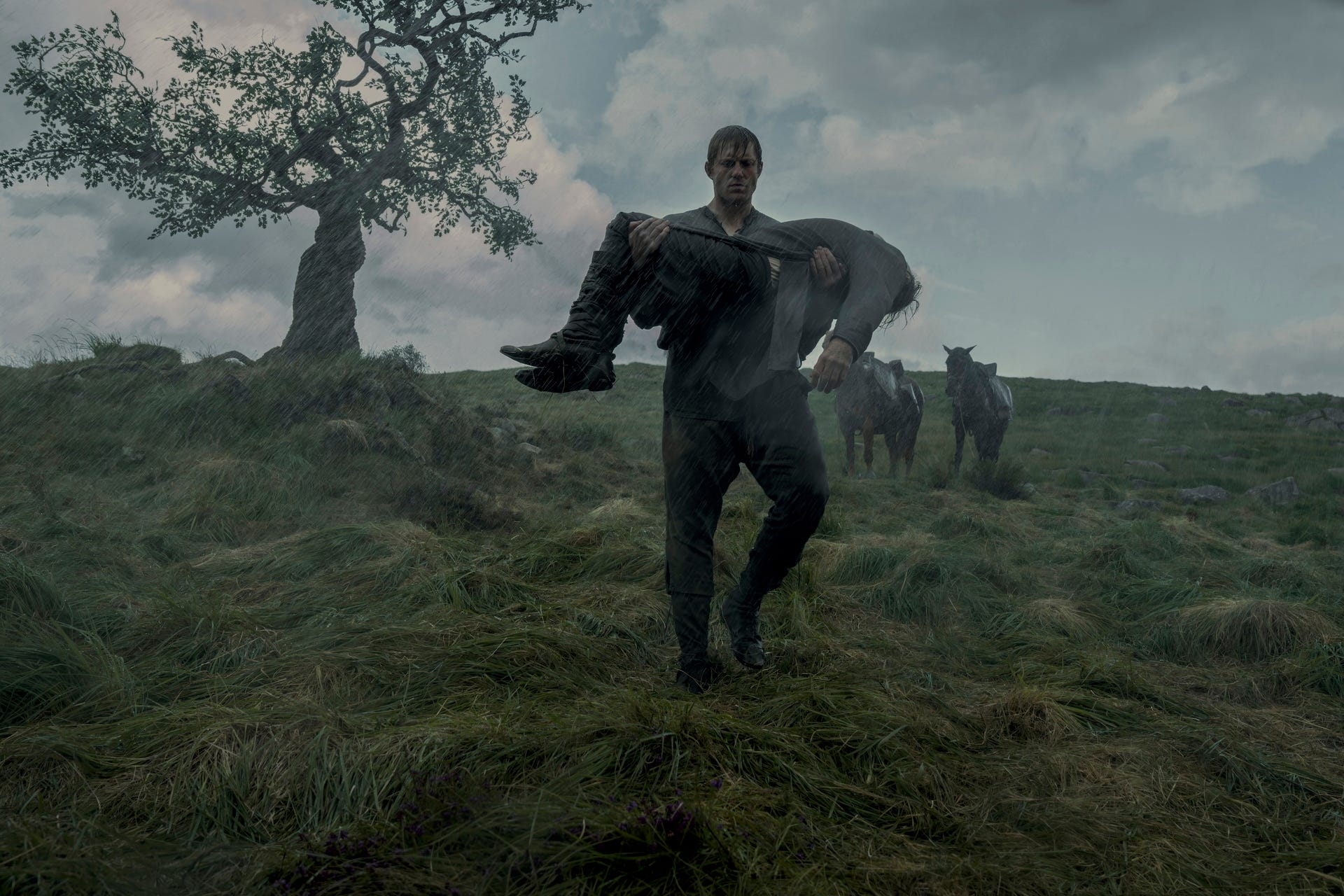
The finale’s sole flashback brings the moral of the story full circle: All Dunk has to offer the realm as “proof” he is a true knight is his word and his actions
Parker has made it impossible for one to know exactly where in the timeline of Dunk’s life each of these flashbacks to Ser Arlan has happened, but the finale’s big peek into Dunk’s memory is certainly taking place in the very spot we know he died. Arlan is laid under the tree on the hillside where he was buried in the show’s opening scene. His cut (which was also revealed to us in an episode two flashback) is still visible on his arm, and Dunk is clearly distressed by the possibility that his old man will perish before knighting him.
Even the story Ser Arlan tells about the town of Pennytree this flashback has been invented by Parker and his team. Martin’s book says Dunk “had never been to Pennytree, nor had the old man talked much about it.” But the show’s flashback begins with Arlan asking Dunk if he’s heard the story of Pennytree before and the younger man saying “many times.” Arlan tells the tale anyways, and then Dunk finally plucks up the courage to say: “Why did you never knight me?”
One could almost hear the gasps among book readers as the revelation that Dunk wasn’t knighted is seemingly confirmed. And then, to top it off, Ser Arlan’s head falls backwards and his gaze goes unfocused. He’s dead! He died without knighting Dunk! But as all this is happening internally, Dunk keeps talking as the camera holds on Ser Arlan’s unmoving body.
“Did you think I’d leave you? I wouldn’t’ve. Or was it something else? Ser…?”
Dunk then seems to realize his old man may be dead, and drops his head crying.
That’s when Arlan dramatically springs to life again, picking up where he left off: “And that’s why they call it the Pennytree. A true knight always finishes a story.”
It’s an incredible moment, and choice. Enough is left unsaid and unshown that the audience can still imagine the old knight calling for his longsword, and saying the sacred words to Dunk just before he actually dies. Or it can be interpreted as further evidence that Dunk lied in order to raise his station from squire to knight.
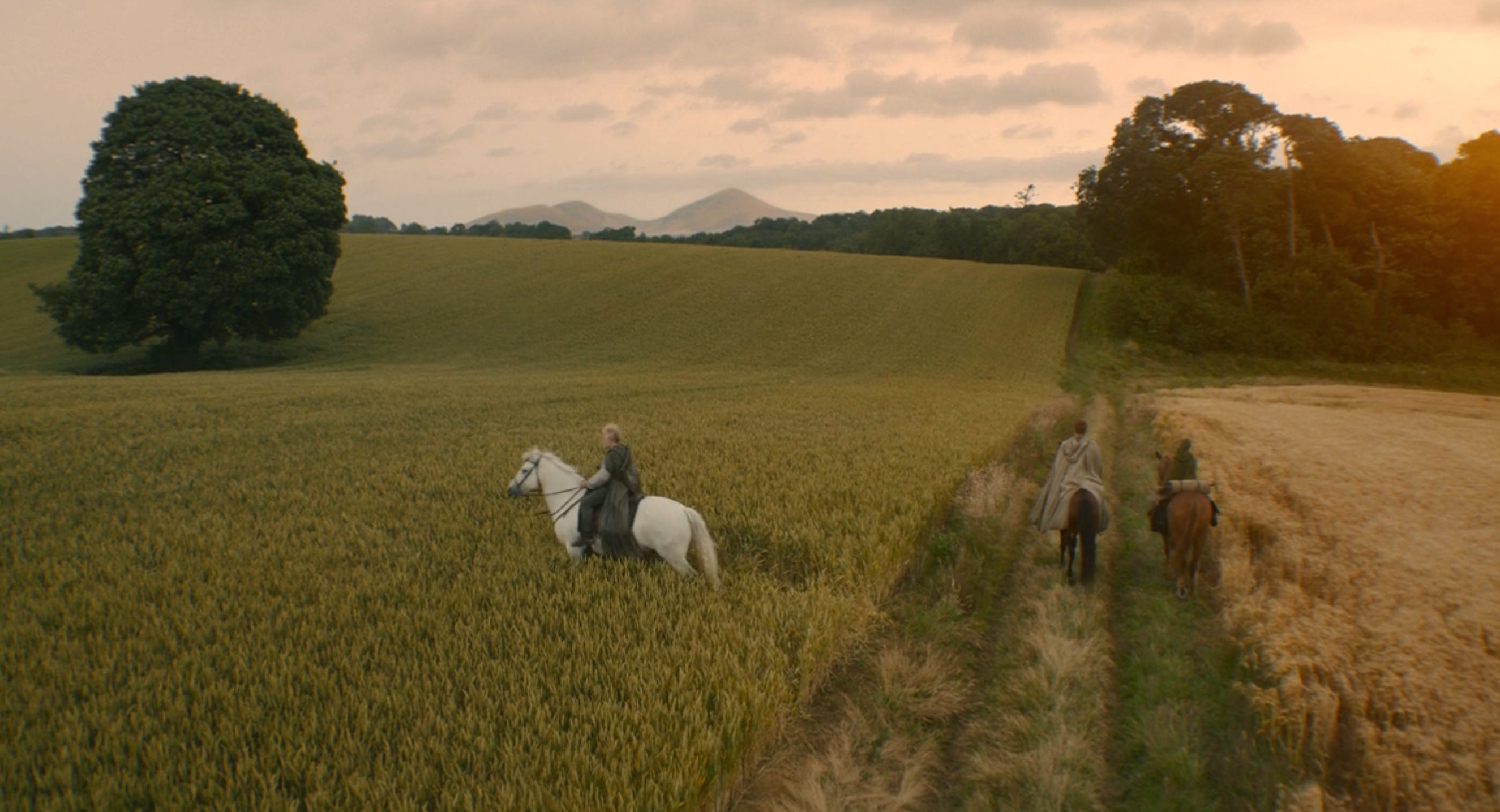
But the true point is that the details don’t matter. Throughout the whole season and finale, it is Dunk’s actions that make him not only the epitome of a real knight, but the truest knight in the Seven Kingdoms that George R.R. Martin has ever created.
He holds to the vow to be a brave protector of the realm and its people, even if it means living in hedges and risking his limbs and life. He’s a father-figure who worships the Mother, and takes the youngest Prince of the realm under his wing, recognizing that no amount of riches and comfort can make up for the love of a caregiver. He has not let the unfair and cruel world hardness his kindness. He has survived despite the odds. He ends each day wondering what the morrow will bring, and trying to do the next right thing. He is Ser Duncan the Tall, the hero and knight we all need and deserve.
The realm could use more men like him.
Kim Renfro is the author of the Unofficial Guide to Game of Thrones and former Insider entertainment correspondent and TCA member. She works in Los Angeles as a stay-at-home-mom and writer.
Links for further reading:
The show gets better with every episode and these Kim's posts rise to the occasion everytime!
Thanks a lot for the great insights that made this awesome season even more enjoyable.
As someone who still hasn't read the novellas, thanks Kim so much for these posts! Great to see that the show largely added to the books and mostly really well!